
 There are so many different ways to eat that it is sometimes exhausting just thinking about it. While different eating patterns can get really complicated, the baseline of any good eating pattern is one that I consider to be “well rounded”. However, in order for any eating pattern to be effective, my clients need to know HOW to create and implement their specific diets. Today I’m going to not only cover what a “well rounded” diet is, but I’m going to explain how to eat this way.
What is a Well Rounded Diet?
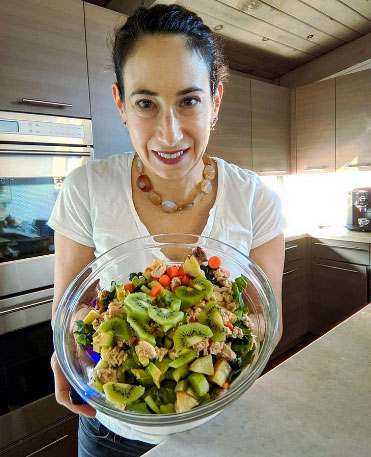
A “well rounded” diet can mean so many different things. When I envision a well-rounded meal for my autoimmune clients, it includes:
- A mix of plants
- A high quality source of protein
- Fiber
- Healthy fat
- Carbohydrate source
- Color
Now, some of these categories overlap. For instance, if you fill half of your plate with non-starchy, colorful vegetables, you have satisfied #1,3 and 6. A high quality protein source like salmon would also be a healthy fat source. I’m not asking for a huge plate of food, but I am asking for you to make really deliberate choices about what you are putting into your body to support your health.
How to Eat a Well Rounded Diet
So HOW do you do this? It comes down to doing a little planning ahead of time. When I’m thinking about a meal, I think about my meal components in this order:
Protein, vegetables, fiber, carbs, fats
Each of these components can overlap, so I literally walk through each category and think through what I’m putting on my plate.
Protein
I always start with protein. What protein sources am I going to use for this meal? Whether it’s animal based like chicken, or seafood, or vegetarian, I start with the protein first.
Non-Starchy Vegetables
Then I think about the non-starchy vegetables, which should be about half of your plate (yes I do still use the plate method for meal structure). The vegetables are all about the color and type. I like to include a minimum of 2 different vegetables, and I want these to be a different color. In addition, I get a little more particular about the type. I always try to have one cruciferous option like broccoli, cauliflower or brussels sprouts. The other veggie is usually colorful, like carrots, beets or tomatoes. Sometimes I think about what vegetable goes well with my protein choice, but to be honest, most do.
Assessment #1
Now that I have the protein and vegetables picked out, I then assess which of the 6 categories above have been satisfied. With the protein and vegetable choices I’ve got protein, a mix of plants, color, and fiber from the vegetables.
Carbohydrates & Fats
All that’s left is a solid carbohydrate and a healthy fat. For the carbs, I could add some starchy vegetables or possibly a grain (rice or quinoa). I typically lean more towards starchy vegetables but that is my own preference. If I cook with olive oil, there’s my fat. I could also add nuts or seeds or avocado to the dish if they mix well together. Some proteins, like salmon, already contain healthy fats. So no need to add an additional source if you have something like salmon or another omega-3 rich fish.
By the time I’ve planned my meal, I can be assured that I’ve hit all of my targets. I love thinking about meals in this methodical way because it forces me to really think about what I’m eating and the mix of food I’m using to hit these targets.
How to Create a Weekly Plan
Getting one “well rounded” meal down is doable, but how do you expand this to cover an entire week? This is where it gets a little tricky. However, it is something even the most cooking challenged person can figure out. It just involves a little exercise called meal planning.
Meal planning is the word most people don’t want to hear. It implies effort and rigidity when it comes to eating. However, meal planning is quite simple and it saves you time, energy and brain power during the week when it comes to cooking. You can get very elaborate with meal planning, but I like to make it very simple. Here are the most basic steps in planning a week’s worth of “well rounded” meals.
- Step 1: Calculate how many nights you plan to eat at home. I always start with dinner because it is usually the most complicated meal.
- Step 2: What proteins do you want to eat this week? Pick a protein for each day you plan to eat at home, and consider leftovers if you can repurpose one. I know at my house we typically make a lot of chicken one night to have the following 1-2 nights.
- Step 3: Pick your vegetables, aiming for 2 per night. This could also include a salad. We typically use veggies for 2 nights as well.
- Step 4: Decide what carbs you want to eat. Grain based options can last 1-3 nights. Potatoes can also stretch out to 1-3 nights.
- Step 5: Now consider lunch. A lot of my clients use leftover dinner for lunch the following day to cut down on meal prep. Others make the same thing for the week. Also, winter is actually a great time to batch cook soup, just saying.
If you are just starting to meal plan and change the way you eat, start with lunch and dinner. Breakfast is important, and most people do pretty well with incorporating protein and fiber (from fruit, oats, seeds and grains) at this meal.
Eating a well rounded meal should not take every ounce of energy out of you. Hopefully when you break meals down to their individual parts, you see how easy and simple this can be. For more tips on living better with your autoimmune disease, check out my Instagram, Facebook and YouTube channels. Better yet, contact me directly to get personalized help.