 Food swaps are always a fun topic to discuss, since so many of us are really trying to optimize our diets to lower inflammation. One of the most common questions I get is about seed oils and fats. So let’s dive into fats and how we can optimally include them into our daily routine.
What are Fats?
Before we dive into seed oils and processed fats, let’s first discuss what fats are. Fats are one of the main and essential nutrients in our diet. Unlike carbohydrates and protein, fats are the most calorie dense macronutrient, providing 9 calories per gram. They help us absorb fat-soluble vitamins, build insulation around nerve cells and organs, and provide building blocks for hormones like estrogen and testosterone. Fats can also help lower inflammation. Polyunsaturated fats like omega-3 fatty acids actively reduce inflammation. They help produce prostaglandins, a hormone-like substance that controls inflammatory cascades. Unsaturated fats alter cell membrane properties to dampen inflammatory signals.
Are Seed Oils Really Bad?
Seed oils get a really bad reputation within the wellness community. However, I am not against seed oils. In fact, moderate amounts of seed oils can actually be good for you. The truth to this statement lies in how they are used and where they are sourced from. Seed oils are higher in omega 6 fatty acids, which can be both anti-inflammatory and pro-inflammatory.
Omega 6 to Omega 3 Ratio
The reason why people are so negative on these oils is because of the omega 6 to omega 3 ratio. From a clinical standpoint, chronic systemic inflammation is often driven by a skewed ratio of dietary fatty acids, where omega 6 is much higher than omega 3s. Traditional seed oils—such as soybean, corn, and canola oil—are rich in Omega-6 linoleic acid AND found in most processed foods. When consumed in excess, these fatty acids serve as precursors for pro-inflammatory eicosanoids, which can aggravate autoimmune symptoms.
The Standard American Diet Issue
The problem with omega 6 fatty acids is they are more easily obtained in the standard American diet, so most people have a high Omega 6 to omega 3 ratio. On average, the western diet ratio has reached a 15:1 to 20:1 ratio, which is incredibly unhealthy. However, eating more omega 3 fatty acids and less processed foods brings this ratio down significantly. You want to aim for an omega 6 to omega 3 fatty acid ratio between 1:1 and 3:1 for lowering inflammation.
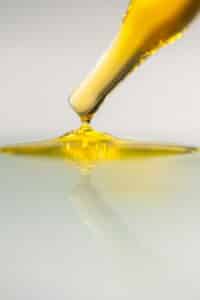
Should you totally avoid seed oils? No. Instead, opt for cold pressed seed oils. If you don’t eat a lot of omega 3 rich foods, then consider swapping seed oils for cold-pressed extra virgin olive oil which introduces high concentrations of oleic acid and polyphenols like oleocanthal. Oleocanthal acts as a natural anti-inflammatory agent by inhibiting COX-1 and COX-2 enzymes, mirroring the pathways of non-steroidal anti-inflammatory drugs (NSAIDs) to protect cellular membranes.
Is Margarine Bad for You?
Evaluating fat sources goes beyond calorie counting; it is about protecting the endothelial lining and reducing systemic stress. In the 1950s, saturated fats were linked to cardiovascular disease and high cholesterol. This is when food companies switched from using butter, a high saturated fat food, to vegetable oils and hydrogenated vegetable oils spreads like margarine. They believed using polyunsaturated fats with no cholesterol would reverse heart disease. But it didn’t.
Hydrogenated spreads and margarines contain trans-fatty acids and synthetic additives that trigger cellular oxidative stress and activate the NF-kB pathway—a primary driver of the autoimmune inflammatory response. For a clinical upgrade, swap margarine for avocado spread or grass-fed ghee. Grass-fed ghee provides butyrate, a short-chain fatty acid that directly fuels colonocytes, tightens the gut barrier, and encourages the differentiation of regulatory T-cells (Tregs) to help modulate immune hyper-reactivity.
Bottom line: fats are nothing to fear. In fact they can be an important part of your anti-inflammatory diet. The type of fat matters, as does the rest of your diet composition. If you need help balancing out fats in your diet, contact me. Additionally, follow me on my socials (Instagram, Facebook and YouTube) for more information about incorporating food into your healing plan.
Photo by Colin Lloyd on Unsplash
THE INFORMATION IN THIS POST IS NOT A SUBSTITUTE FOR THE DIAGNOSIS, TREATMENT OR CARE OF DISEASE BY A MEDICAL PROVIDER. THIS IS FOR INFORMATIONAL PURPOSES ONLY. PLEASE CONSULT YOUR QUALIFIED HEALTH PROFESSIONAL FOR ANY CHANGES TO YOUR MEDICAL CARE.