 Diet and inflammation. Anti-inflammatory diets. I literally think about these relationships all of the time. It is one of the most important things I teach my clients, because what you eat can literally change the trajectory of your autoimmune disease. Today I’ll give you a brief explanation on how food can lower inflammation, and some easy tips to get started.
How Does Food Affect Inflammation?
Food plays a significant role in chronic inflammation, despite what some people may tell you. There are certain foods that are inflammatory, but what does this actually mean? Compounds in foods can do a few things that trigger inflammation in the body:
- Activate the immune system and release inflammatory messengers that trigger inflammatory pathways
- Cause rapid blood sugar swings which can increase free radical production and pro-inflammatory cytokines
- Reduce diversity of the microbiome, causing both leaky gut and inflammation in the gastrointestinal tract.
On the other hand, foods that are “anti-inflammatory” have special compounds that help lower inflammation. They:
- Sequester free radicals to prevent them from causing damage to cells and tissues
- Encourage the release of anti-inflammatory messengers to stop inflammation
- Support the growth of beneficial bacteria in the gastrointestinal tract to balance the microbiome and metabolize compounds that lower inflammation.
Eating a diet rich in these foods and limiting or restricting inflammatory foods can be incredibly beneficial for lowering inflammation in the body. This is important for people living with autoimmune diseases because having less inflammation means that the immune system is not activated. A calm, functioning immune system doesn’t attack your own tissues and cells which can help push your disease into remission.
What are Examples of Inflammatory Foods?
Now you are probably wondering, what are those foods that trigger inflammation? Here’s a short list of them:
- Refined sugar
- Refined grains
- Trans fats
- Additives, chemicals, colorings, flavorings (even natural isn’t good)
- Gluten (for most)
- Dairy (for some)
- Alcohol
Keep in mind that everyone responds differently to food. However, in my experience, these are the top foods and compounds that really affect those living with autoimmune diseases. There are a handful of others in the “maybe” category that include:
- Nightshades (especially for joint pain)
- Corn
- Soy
- Eggs
- Some nut varieties
The best way to figure all of this out is to do an elimination diet. When most people hear this, they get really scared. But elimination diets are very straight forward and are an excellent way of uncovering food sensitivities and issues. I use elimination diets with most of my clients and in my group programs as well.
How to Start an Anti-Inflammatory Diet?
So now that you know the basics of how food affects you, what should you eat? Here are my top 5 rules for anti-inflammatory eating:
1. Eat whole, unprocessed or minimally processed foods
Let’s be real, all of our food is processed at some point. The goal here is to cut out the highly processed junk food that contains a thousand ingredients that you can’t even pronounce. Instead, add in whole foods like fruits, vegetables, gluten-free grains, and high quality, fresh proteins (or canned if, again, has minimal ingredients). These foods not only provide antioxidants to fight free radicals, but they also have a lot of fiber. Fiber is what keeps your gut healthy and your bowels (i.e. poop) moving.
2. Cut out refined sugar
Honestly, do this and you will see a world of difference in your body. This does not mean fruit. Fruit is not evil (see #1 above). Refined sugar includes cane sugar, agave sugar, syrups, malts, and any other weird word that food companies use to disguise sugar as not sugar. What you can include, in moderation, is maple syrup, honey, date and coconut sugars.
3. Eliminate foods with additives, colorings, flavorings, chemicals, emulsifiers…
And any other ingredient you can’t pronounce. These all trigger inflammation. Period. This rule is the one that really gets my clients going. Once you actually start to read labels, it is shocking to learn how much “crap” is in our food. Even seemingly healthy food like tomato sauce or milk. Literally blows my clients minds.
4. Stay hydrated.
You must drink water. Water lubricates joints, helps your body get rid of toxins, and it keeps your cells working efficiently (including your immune cells). If water is tough, add natural flavorings like lime, lemon, orange or clean electrolytes. Just a little bit of flavor can do wonders for your drinking habits.
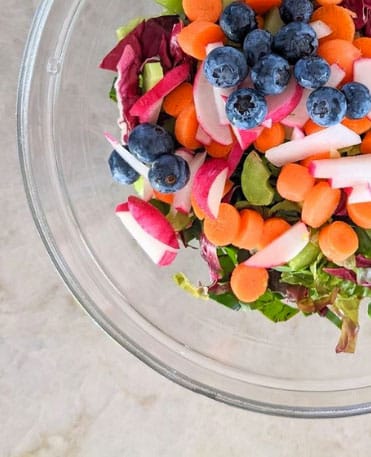
5. Eat the rainbow, literally.
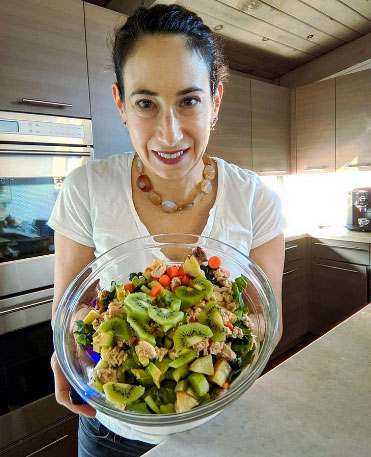
The more colors you eat, the greater variety of antioxidants you will have circulating in your body.
A brand new year calls for a brand new you. And the easiest place to start is what you put in your mouth. If you need more support with this transition or anything related to diet and autoimmune disease, please contact me. My job is to literally help you do this. And if you don’t follow me on my socials, I’ve got a lot more info about this in my posts and videos. You can find me on Instagram, Facebook and YouTube (sorry, no TikTok yet).
Photo by Brooke Lark on Unsplash